Near-infrared fiber
Often considered for metals and some plastics. Depending on the part and parameters, the result may involve a surface modification, annealing, ablation or engraving.
See IK-SERIES integration
NWS LASER RESOURCES · GUIDE · INDUSTRIAL MARKING
Fiber, MOPA, UV or CO₂: the source is not a catalog verdict. Material, finish, expected result, throughput and reading inspection must be studied as one process.
STARTING POINT
A mark may look convincing and yet fail to meet production needs. The material, its surface condition, the expected result, throughput and reading or inspection conditions define the study. The beam, optics, parameters, fixture, extraction and reading form one process to be qualified.
FOUR GUIDELINES
The right choice is not about naming a “best laser.” It is about defining the useful interaction with a real part and the result to be achieved.
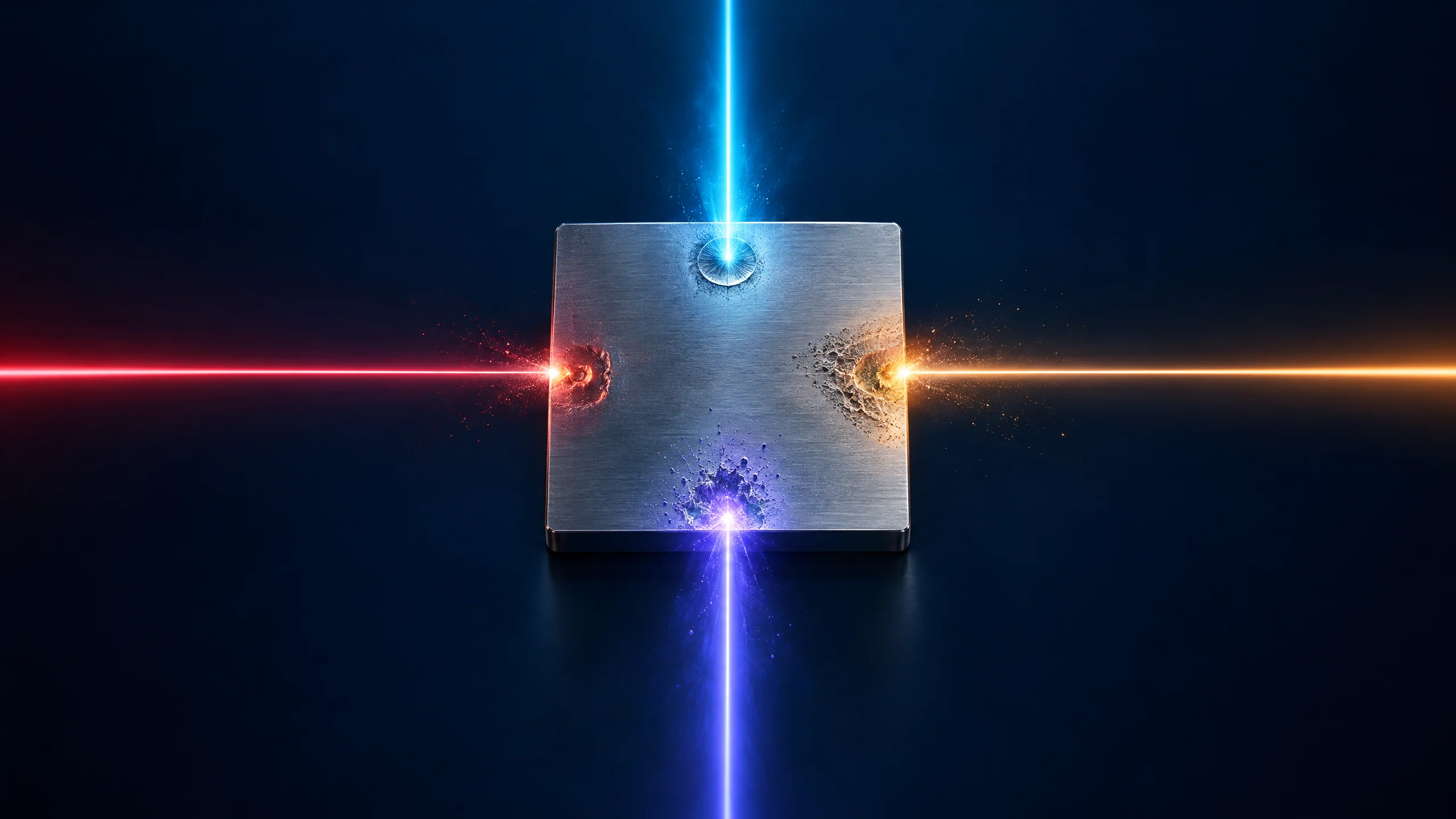
Often considered for metals and some plastics. Depending on the part and parameters, the result may involve a surface modification, annealing, ablation or engraving.
See IK-SERIES integrationA near-infrared source offering greater flexibility in pulse settings. Contrast, fineness, behavior of a plastic or code density still need to be qualified on the part.
Understanding MOPA 1064 nmWorth considering when fineness, interaction with a surface layer or control of thermal impact is critical. No surface-integrity result should be assumed without testing.
Explore UV 355 nmAn option for organic materials and some polymers, as well as cardboard, rubber, leather, wood, PMMA or certain types of glass, depending on the desired effect.
Describe my materialON THE PART
Materials with the same name can react differently depending on their grade, treatment or batch. This table provides a starting point for the study; it does not replace testing or a configuration recommendation.
EXPECTED RESULT
Contrast, depth, roughness, color change, code readability and throughput are distinct objectives. Defining them clearly avoids comparing processes on the wrong basis.
Black marking on metal, deep engraving or local ablation are not set up in the same way. The end use—cleaning, abrasion, temperature, corrosion or sterilization—completes the specification.
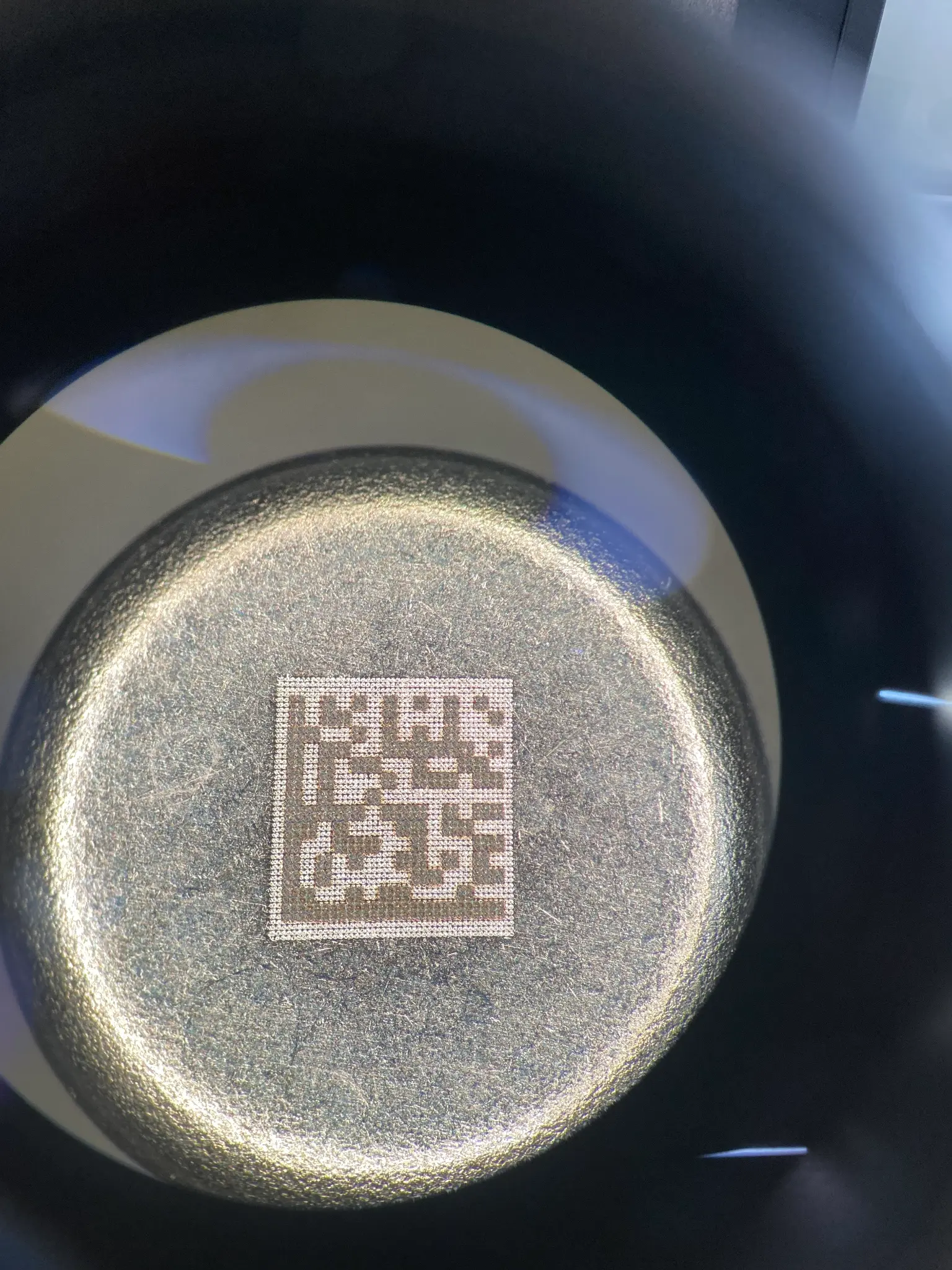
A code is not validated just because it looks like a code. The area, encoded data, module size, contrast, optics, lighting and reading method must be defined together.
See DataMatrix markingPositioning, access, height variation, conveying, robotization, inspection and handling of nonconforming parts can affect the selected solution. The complete cycle matters as much as the beam-on time.
APPLICATION EXAMPLES
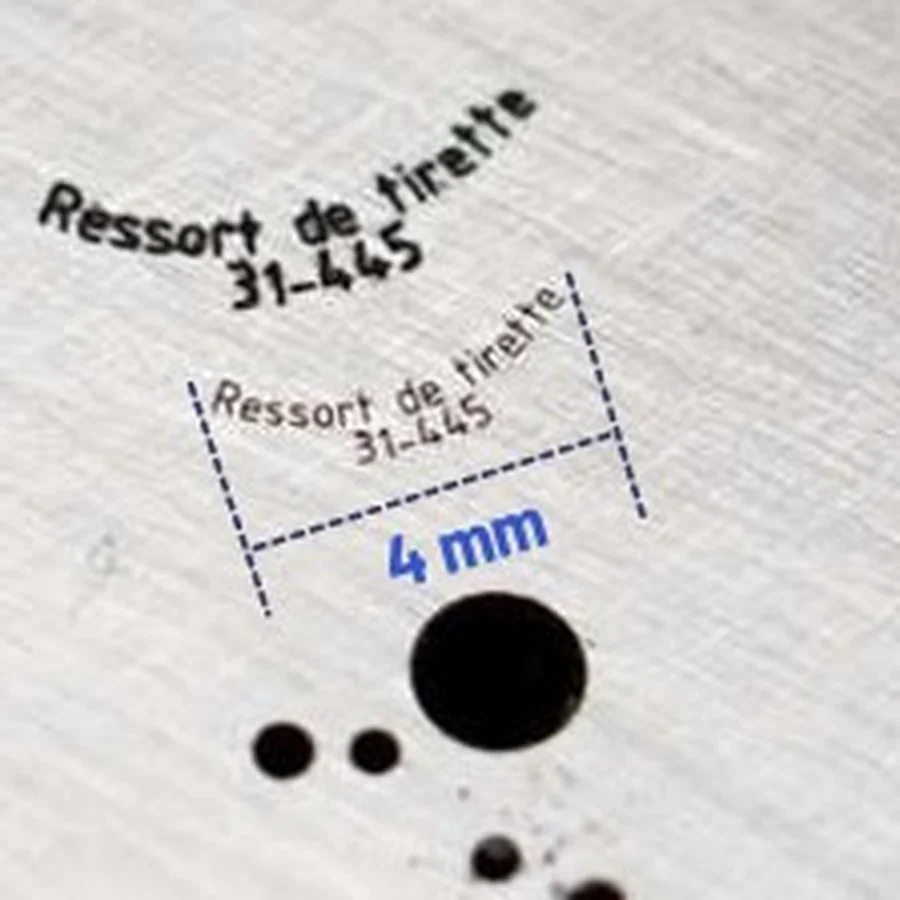
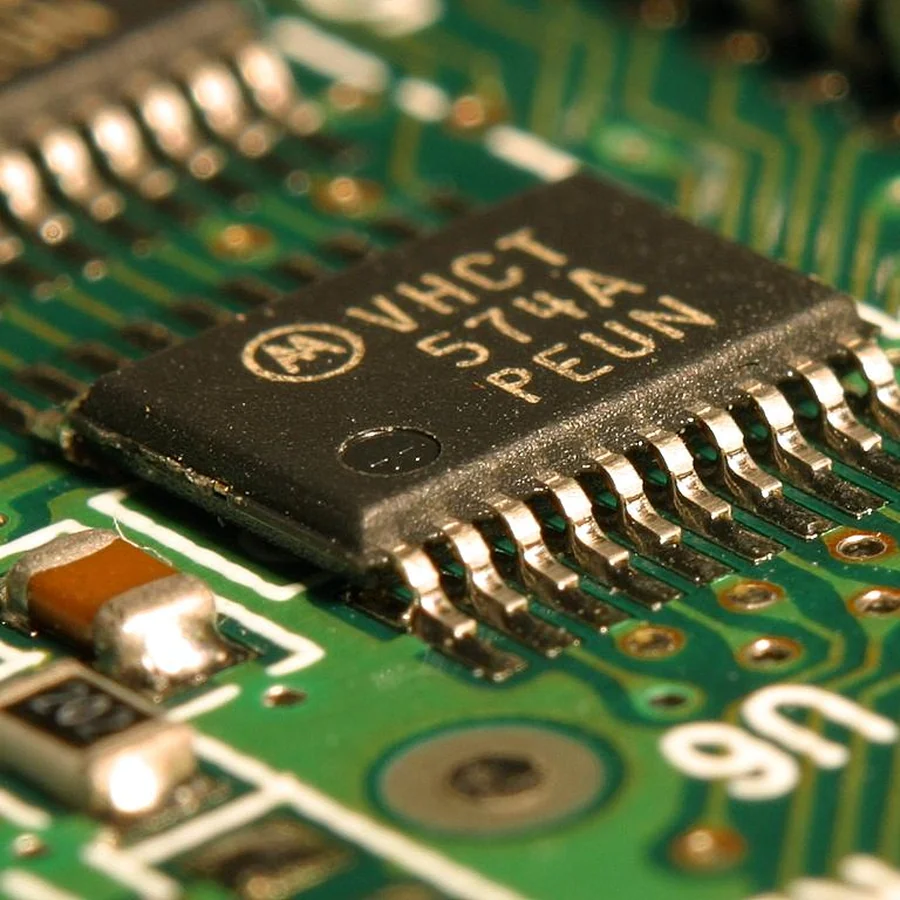
The photos illustrate marking situations. They do not constitute either a recipe for settings or a guarantee of results on another part.
INDICATIVE COMPARISON
Wavelengths are technical reference points. They are not enough to infer the quality, depth, speed or durability of a result on a given part.
VALIDATE THE PROCESS
A representative sample helps link the material, finish, geometry, desired appearance and production cycle to a genuinely workable solution.
The test should match the material, finish, geometry, available area and usage constraints as closely as possible. For a code, the intended reading method should be included in the test.
Appearance, dimensions, readability, coating integrity, resistance to the environment or another quality criterion must be defined by the project before selecting the process.
The material and process may generate fumes, particles or residue. Source extraction, filtration, an enclosure and safety are part of the solution.
Understand fumes and particlesFREQUENTLY ASKED QUESTIONS
APPLICATION STUDY
Specify the material or grade, finish, requested graphic or code, available area, throughput and acceptance criteria. NWS Laser will recommend a process direction rather than make a catalog promise.